Latest Trends in Dental Technology 2026 – What’s Changing for Implant & Cosmetic Patients
The ICSC Team
Patient Care4 min read
New research in the world of dentistry is driving forward innovation for the sector. The results can be seen in a wider range of treatment plans and cheaper dental materials which are driving down the price of treatments. The result? Patients have access to more cosmetic treatments and restorative dentistry than ever before, paving the way for more confident smiles up and down the country.
If you’re curious about what dental technology trends are going to lead the way in 2026, we’ve put together this quick roundup. While some of these treatments might not be available yet, they are going to be adopted as standard practice by more and more dentists throughout 2026 and beyond.
Digital planning and guided surgery
Dental practices are increasingly introducing digital tools into their workflows, including with digitally guided surgical plans. This is particularly relevant for treatments such as dental implants and All On 4 dental implants. This could open the door for more patients to become eligible for this treatment while also helping to increase implant success rates.
AI powered diagnostics
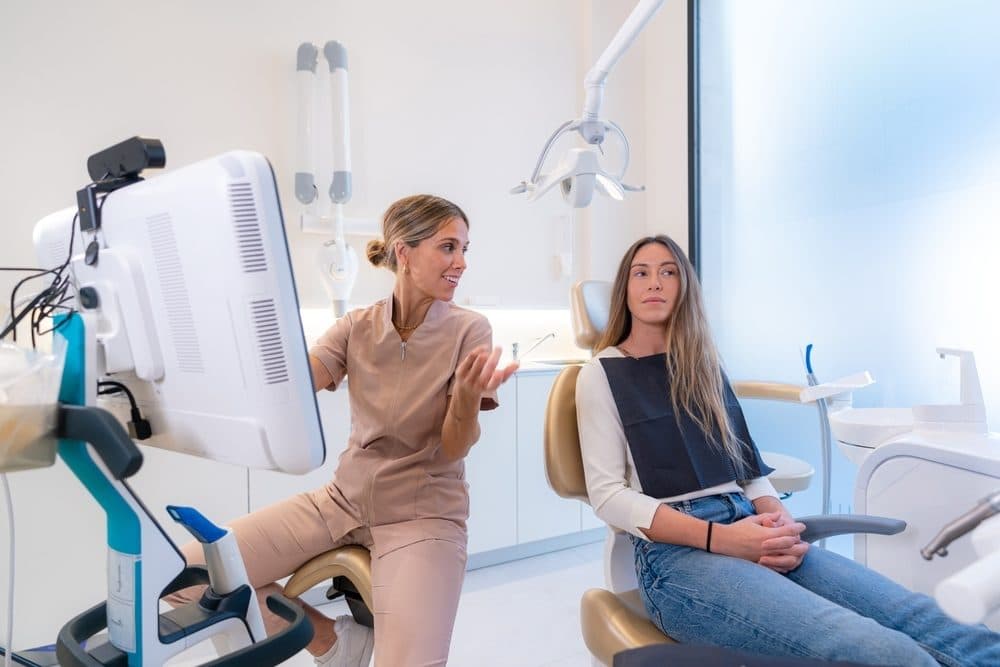
Artificial intelligence is making its way into everything, including dental diagnostics. In this context, AI could help dentists to diagnose dental issues much earlier, so you might never need to have restorative treatment as preventative care will become so much better.
AI can also be used to inform treatment plans, which is already put to use for treatments like Invisalign. AI tracks the optimum path of movement for each tooth and uses this information to design the treatment plan.
AI may also be put to use in dental implant treatment planning to help optimise the placement of the implants for better outcomes and shorter recovery times.
3D printing
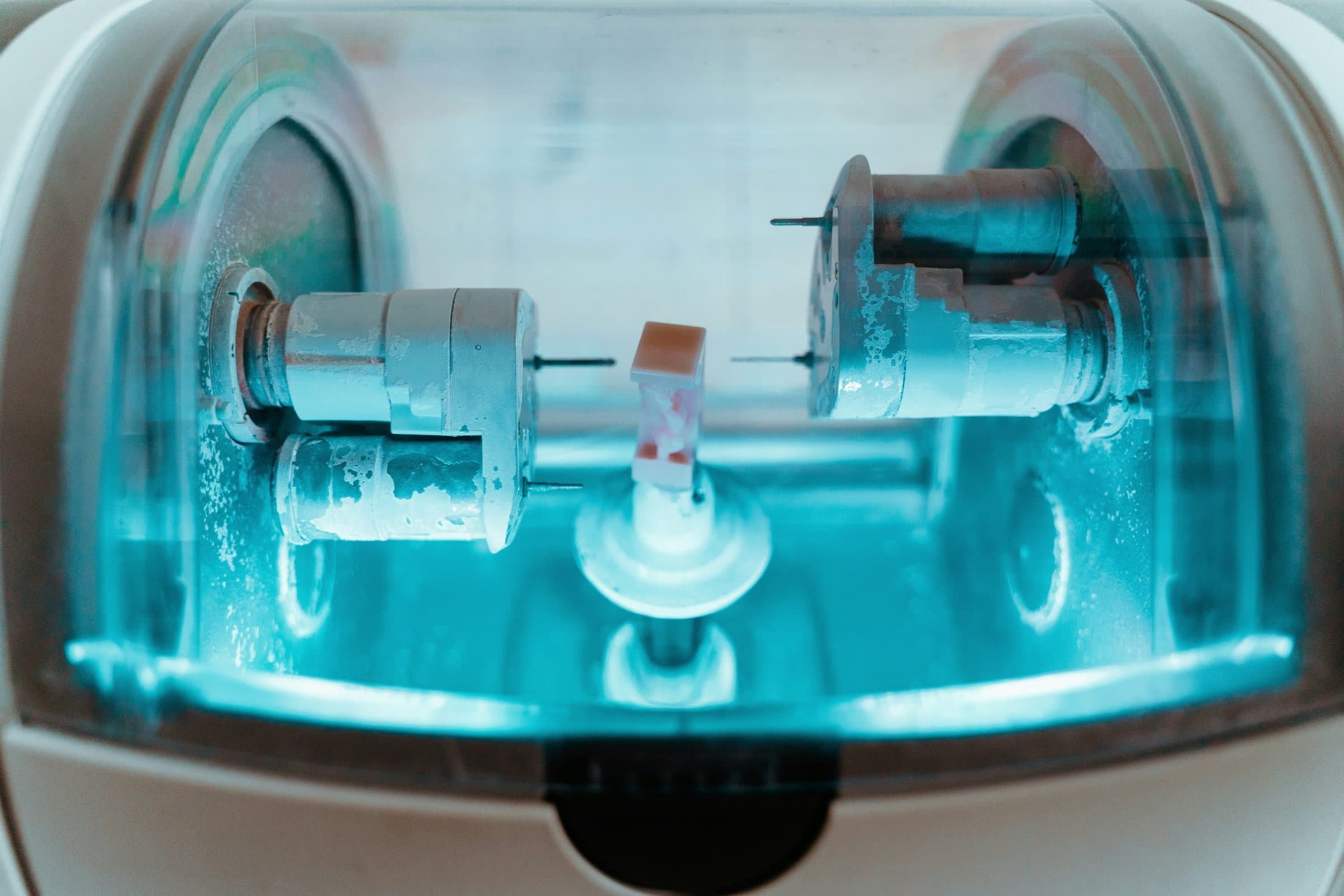
When dentists need to create restorations for teeth, they often need to send scans and impressions to a lab and wait for these to be created. 3D printing technology will soon bring this capability in house for dentists, so restorations can be created while you wait.
This will help to drive down the cost of treatments like crowns, bridges and veneers, while also helping to speed up treatment times. It will also make repairs much quicker, as patients won’t have to wait for their dental appliance to return from a lab.

Smart implant materials
It’s not just the technology to design treatment plans that is getting smarter, the materials we use are getting smarter, too. An example of this would be dental implants coated in special bioactive layers that help to promote healing and improve osseointegration.
This could also help to pave the way for faster treatment times and improved healing. We could also one day see smart implants that contain sensors that let us know when something is amiss. This could help to drive down failure rates in high risk patients.
Regenerative techniques
Until recently, there was no treatment available for lost tooth enamel, but this could be all set to change. Researchers have found a way to trigger the body to start producing new enamel, which could be groundbreaking in the treatment of tooth decay.
Until recently, the only option for addressing lost tooth enamel would be to remineralise remaining enamel with a fluoride varnish, but we could soon see treatments that help to re-grow lost enamel to provide a protective layer. This could then be integrated into treatments like fillings and hygienist cleanings to deliver even better results for the patient.
Minimally invasive procedures
Some of the most exciting advances in implant and cosmetic treatments is the advent of minimally invasive alternatives. This helps to reduce downtime for the patient, while also resulting in less tissue disruption.
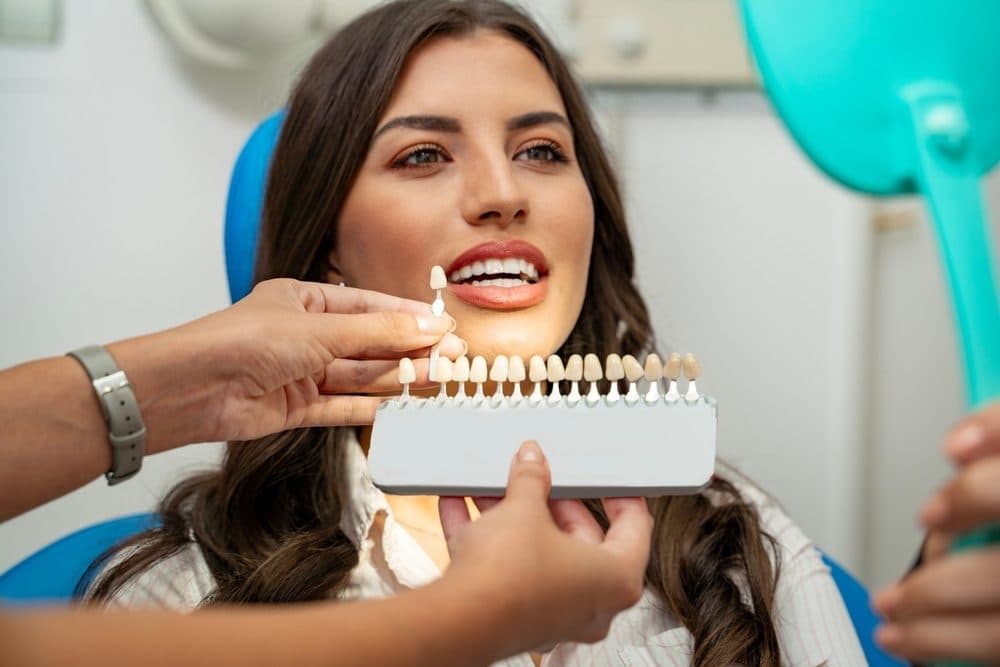
We’ve already seen advances in dental materials that make minimally invasive cosmetic treatments an option. A great example of this would be composite bonding, which allows us to replicate the results of veneers but without the need to remove any dental enamel. Further advances in dental material research will hopefully make composites stronger and close to a natural tooth-like appearance.
Final thoughts
While dental technology might be exciting, nothing beats the basics. If you want to take good care of your teeth in 2026, make sure you’re scheduled for a dental checkup with our team.
Ready to talk it through?
Request a callback and we’ll ring you back to answer your questions and arrange a consultation.
Request a callbackWritten by
The ICSC Team
Patient Care